
Glossier Beauty Business Model Built Entirely on Community and Word of Mouth
Office Dividends – Business Profit Insights >> Business>> Glossier Beauty Business Model Built Entirely on Community and Word of Mouth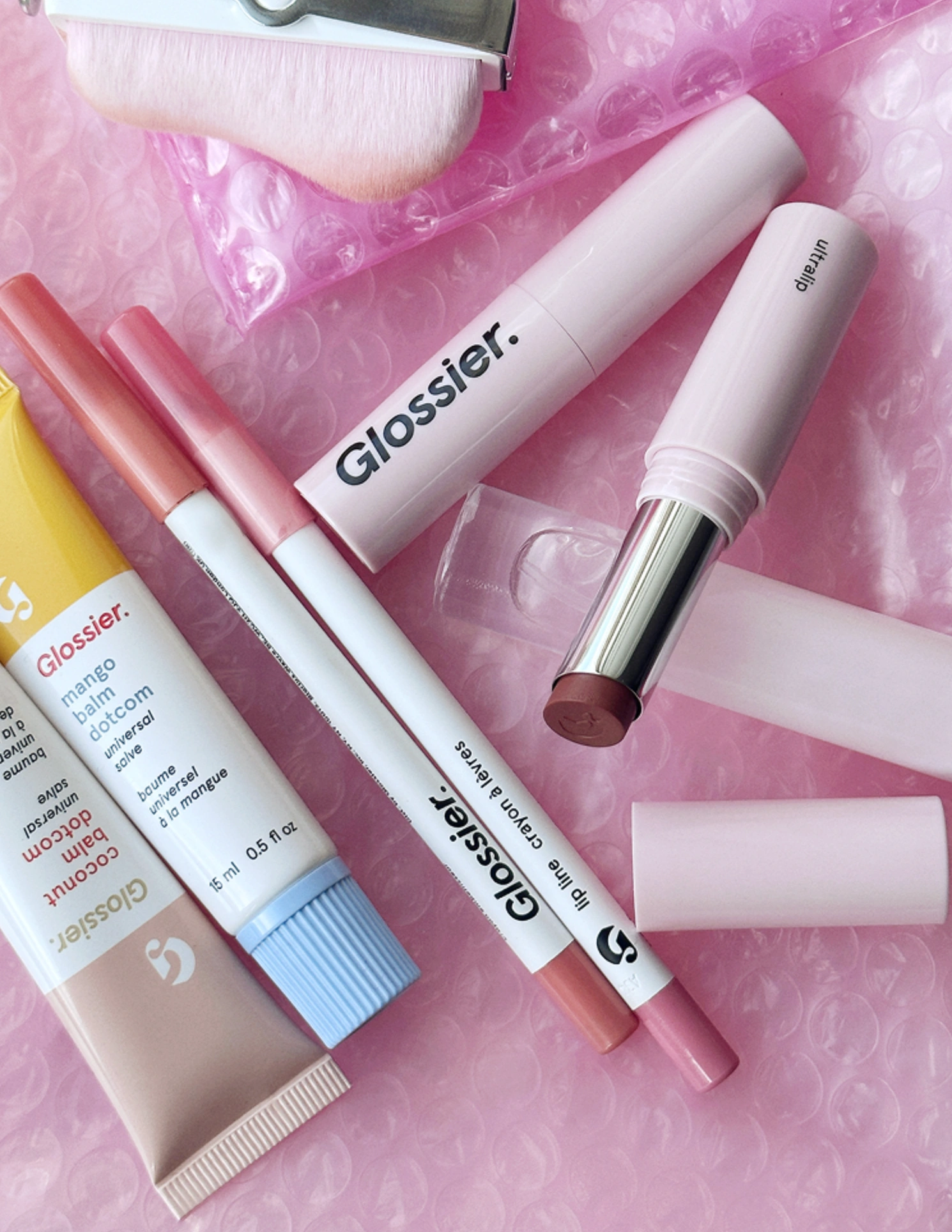
Glossier Beauty Business Model Built Entirely on Community and Word of Mouth
A makeup brand can buy attention for a week, but trust usually comes from a friend leaning over a bathroom sink. Glossier’s beauty business model worked because it treated that friend as the center of the company, not as a side effect of marketing. The brand grew from Into The Gloss, a site where people talked about routines, products, skin texture, bad purchases, and tiny wins that ads rarely admit. That early habit shaped the whole company. For U.S. founders, creators, and site owners studying customer-first brand strategy, the lesson is direct: people repeat brands that make them feel seen before they make them feel sold. Glossier did not win by sounding louder than legacy beauty brands. It won by sounding closer. The clever part was not only community. Plenty of brands say they have one. Glossier built product, tone, launch rhythm, and distribution around the same social loop. A reader became a commenter, then a buyer, then a recommender. That loop became the asset.
Why the Beauty Business Model Turned Customers Into the Channel
Glossier’s early strength was not that it had a younger look or cleaner packaging. Those helped, but they came later. The deeper move was that the brand built a habit of asking before selling. Into The Gloss gave readers a reason to show up when nothing was being pitched. That matters because trust gathered slowly there, one routine and comment thread at a time. When Glossier arrived, the brand did not have to explain why it cared what customers thought. The audience had already seen it happen.
The blog was not a funnel; it was a listening room
Most brands treat content like a hallway that pushes people toward checkout. Glossier’s starting point felt different. A reader could land on a beauty routine interview, read what someone kept in her cabinet, and leave without being chased by a hard sell. That patience made the selling stronger later because the audience did not feel trapped.
This is the part many new founders miss. A community-led beauty brand is not built by adding a comment box under product pages. It starts when the company lets customer language affect what the company makes. If people talk about wanting skin to look like skin, the product line should not answer with heavy coverage and stiff claims. The brand has to absorb the signal.
The counterintuitive lesson is that listening often makes a product line smaller, not larger. When a company hears every request, the weak move is to chase all of them. Glossier’s early identity stayed tight: skin, brows, balm, tint, glow. That gave fans a simple story to repeat.
Look at the old beauty counter for contrast. The customer often arrived as a student, and the brand acted like the teacher. The advice could be useful, but the mood carried pressure. Glossier flipped that social position. It let the customer arrive as the source. That small power shift made the brand feel less like a gatekeeper and more like a mirror.
Fans did the selling because the brand gave them language
Word of mouth marketing works best when people know what to say. Glossier gave its customers simple phrases and visual cues: dewy skin, brow gel, pink pouch, bathroom-shelf beauty. None of that needed a formal pitch. A customer could point to a product and explain it in one sentence to a friend.
That matters in beauty because the category is full of doubt. A foundation shade may fail. A serum may irritate. A lipstick may look different under office lights than it does online. People lean on friends because beauty purchases sit close to identity. Nobody wants to feel fooled on their own face.
Glossier turned that risk into social proof. The brand’s tone made regular users sound like insiders, not outsiders repeating ad copy. That is why the recommendation traveled. The customer did not have to become a beauty expert. She only had to say, “This worked for me,” and the brand had already made that sentence feel credible.
There is another layer here. The brand did not make sharing feel like unpaid labor. Customers shared because the products sat inside moments they already wanted to talk about: getting ready for a date, fixing tired skin before work, packing a small bag for a weekend trip. The brand attached itself to the scene, not only to the shelf.
How Product Choices Made Sharing Feel Natural
The next piece is product design. Community can create demand, but weak products break the loop fast. Glossier’s smarter play was to make items that were easy to explain, easy to photograph, and easy to add to an existing routine. That lowered the barrier for new buyers. It also gave current customers small wins they could show without giving a lecture.
Low-friction products beat expert-heavy routines
A product like Boy Brow became easy to talk about because the use case was plain. You brush it through your brows, and your face looks a little more finished. No ten-step method. No professional skill test. That kind of product travels well in conversation because the result feels within reach.
This is where direct-to-consumer cosmetics gained an edge over old department-store beauty. A digital shelf does not have a counter worker explaining every shade and texture. The product has to carry its own story. Glossier made many of its best-known items feel like small edits, not full makeovers. That matched how many American customers already use beauty during busy mornings.
A non-obvious point sits here: simple products can create richer loyalty than complex ones. Complexity can impress people once. Ease brings them back. When someone can use a balm in a car, a brow gel before a meeting, or a blush with fingers before dinner, the product earns a place in real life.
This also changes how returns, reviews, and repeat purchases behave. If a product asks less from the customer, the customer has fewer reasons to feel defeated. A blush that blends with fingers is less scary than one that demands a full brush kit. A skin tint that admits it will not hide everything feels honest. That honesty may narrow the buyer pool, but it deepens the fit with the right buyer.
Packaging became a small social object
Glossier’s pink pouch, sticker sheets, and soft visual world did more than look cute online. They gave customers something to keep, photograph, and recognize. A package became a signal. You could spot it in a drawer, on a dorm desk, or beside a mirror and know the owner was part of the same loose beauty language.
That visual code helped word of mouth marketing move faster. A product did not need to shout with luxury weight or clinical severity. It acted more like a note passed between friends. The look said, “You are in on this,” without making the customer feel excluded if she was new.
This is easy to dismiss as branding fluff. It is not. In beauty, the container often becomes part of the routine. People see it every morning. They touch it before work, before school pickup, before a date, before a quick grocery run. Glossier understood that the product had to live in those moments, not only in a campaign image.
The smart part was restraint. Many beauty brands treat packaging as proof of price. They add weight, shine, sharp edges, and formal names. Glossier went softer and friendlier. That choice made the product more shareable because it felt less like a trophy and more like something a friend would hand you from her bag.
Distribution Changed, But the Social Engine Had to Survive
Glossier’s move from digital-first selling into Sephora showed a hard truth about modern beauty. Community can start a brand, but access helps it grow. The trick is not to protect the original channel like a museum piece. The trick is to carry the social engine into new places without making early fans feel replaced.
Sephora solved access without replacing the tribe
When Glossier entered Sephora in the U.S. and Canada, the move answered a practical customer problem. People wanted to swatch, browse, earn rewards, compare shades, and buy while already shopping beauty. For a brand born online, that shift could have looked like a retreat. In practice, it showed that community demand had outgrown a single sales path.
This is where many direct-to-consumer cosmetics brands face pressure. The early website is clean and controlled, but customer habits are not so tidy. A buyer may discover a product on TikTok, check Reddit for complaints, test it at Sephora, then reorder online. The brand does not own the whole journey anymore. It has to be useful across it.
The counterintuitive part is that wholesale can protect community when it removes friction. If customers keep asking for a brand in a retailer they already trust, showing up there can feel like listening. The danger is not the store. The danger is losing the voice that made people ask for the brand in the first place.
Sephora also gave Glossier a different kind of test. Online praise is one signal. A shopper picking up a tester next to dozens of competing products is another. In that setting, the brand has to stand without the full website story around it. If the shade names, textures, and shelf presence still make sense, the model has grown up.
Owned retail works best as a stage, not a warehouse
Glossier’s own stores also show how physical space can support a social brand. A store in New York or Los Angeles is not only a place to move units. It is a place where customers touch the brand as a shared experience. Mirrors, testers, lighting, staff tone, and line energy all become part of the memory.
That is different from old beauty retail, where the counter could feel tense or judgmental. Glossier’s store idea worked when it lowered that pressure. A shopper could play, test, take a photo, ask a question, or buy one small item without feeling underdressed for the room.
Still, stores can become heavy. Rent, staffing, inventory, and operations can drain focus from product and community. The sharp lesson for founders is that physical retail should earn its role. If a store creates content, customer insight, launch heat, and local loyalty, it has a job. If it only copies the website with higher costs, the math gets shaky fast.
This is where Glossier’s story becomes more mature than the early fan myth. A beloved brand still has to make hard channel choices. Love does not pay rent by itself. The best retail footprint is the one that teaches the company something, brings in the right new buyers, and gives existing fans a reason to feel closer.
What Website Owners and Founders Can Learn From Glossier
The Glossier story is useful beyond beauty because it shows how attention turns into trust. A website owner in Chicago, Austin, Phoenix, or Tampa does not need a makeup line to borrow the core idea. You need a reason for people to return before they are ready to buy. That could be a buyer guide, a local newsletter, a review series, a founder diary, or a customer Q&A page that answers real doubts instead of polished sales questions.
Build demand before asking for the sale
A common mistake is trying to monetize the first visit. Glossier’s path suggests a better order: earn repeat attention, study the audience, then sell what fits the pattern. That is slower at the start, but it creates a cleaner launch later. The customer has context before the product appears.
For a U.S. site owner, this may mean publishing a useful series for months before pushing an offer. A home services site might run neighborhood maintenance notes. A finance blog might answer small cash-flow questions for freelancers. A retail founder might show product testing, returns lessons, and customer questions. This kind of work supports stronger customer retention planning because people remember who helped them before the pitch.
The Harvard Business School case page on Glossier co-creating a cult brand with a digital community points to the same business question: how does a brand grow without draining the trust that made it matter? That question should haunt every founder with an audience. Growth is not the enemy. Forgetting the original promise is.
The practical move is to track repeat questions, not only pageviews. A pageview tells you someone arrived. A repeat question tells you what still hurts after they arrived. Glossier’s early edge came from treating those signals as business input. A website owner can do the same through comments, email replies, search queries, support tickets, and social replies.
Let the customer’s words shape the offer
The most useful customer research often hides in plain speech. People do not always say, “I want a new product architecture.” They say, “I hate when this feels sticky,” or “I need this to last through work,” or “I want to look awake without doing a full face.” Those phrases are product briefs if a founder pays attention.
A community-led beauty brand gets power from treating those comments as raw material. The same principle works in software, local services, courses, and media. Mine the words people already use. Build headlines, product pages, FAQs, and offers around that language. This does not mean copying customers in a shallow way. It means honoring the problem as they feel it.
For content teams, that practice also improves organic brand growth strategy. Search data tells you what people type. Community tells you why they care. When both line up, the page feels less like bait and more like help. That is the gap Glossier saw early, and it is still the gap many brands leave open.
The final lesson is discipline. Once a community starts growing, the temptation is to feed it more: more products, more drops, more channels, more noise. Yet trust often grows from knowing what not to add. A founder who protects the core promise may look slower from the outside. From the customer’s side, that restraint feels like taste.
Conclusion
Glossier’s rise was never only about pink packaging or millennial taste. Those pieces made the brand easy to spot, but the deeper advantage came from letting customers feel close to the company before they bought from it. That is why the beauty business model still matters to founders studying community, content, and retail today. It shows that trust is not a campaign asset. It is built in the small choices: which questions you ask, which comments you answer, which products you resist making, and which channels you enter only when customers are ready. The lesson is not to copy Glossier’s shade names, store design, or social tone. Copy the discipline. Listen long enough to hear a real need. Build a product simple enough to explain. Give customers language they are proud to share. Then grow in ways that make access easier without flattening the soul of the brand. Start with the conversation, and the sale has somewhere honest to land.
Frequently Asked Questions
How did Glossier use community to grow its brand?
Glossier grew by treating customer conversation as the starting point for product ideas, tone, and launch energy. Into The Gloss created a trusted space before the brand sold products, so buyers felt like participants rather than targets.
Why did word of mouth work so well for Glossier?
The products were easy to explain, the packaging was recognizable, and the tone felt casual enough for real recommendations. Customers did not need a script. They could share one clear result with a friend and sound natural.
Is Glossier still a direct-to-consumer brand?
It still sells through its own website, but it is no longer only tied to that path. Sephora and owned stores added access for shoppers who want to test products, compare shades, or buy through a retailer they already use.
What can small businesses learn from Glossier?
Build trust before pushing the offer. A small business can publish useful content, collect customer questions, and shape products around repeated needs. The first goal is not instant sales. It is becoming the brand people remember when the need appears.
Did Into The Gloss help Glossier become popular?
Yes. Into The Gloss gave the future brand an audience, a voice, and a stream of customer insight. By the time products launched, many readers already understood the point of view behind them.
Why is Glossier often called a community-led beauty brand?
The label fits because customers shaped the brand’s language, product direction, and social proof. The company did not rely only on celebrity polish or top-down beauty rules. It made regular users feel central to the story.
How did Sephora change Glossier’s growth path?
Sephora gave Glossier wider reach and made testing easier for shoppers across the U.S. and Canada. The move also showed that a digital-born brand can enter retail without losing its roots, as long as the voice stays clear.
What is the biggest risk in copying Glossier’s strategy?
The biggest risk is copying the look without copying the listening. Pink packaging, soft copy, and casual social posts mean little without real customer insight. The power came from a feedback loop, not from surface style.
Related Post

Creating Workflows That Turn Daily Effort Into Real Value
Most teams are not short on effort. They are drowning in effort that leaks out…