

Professional Dog Trainer Tips for a Happier Dog
Office Dividends – Business Profit Insights >> Business>> Professional Dog Trainer Tips for a Happier Dog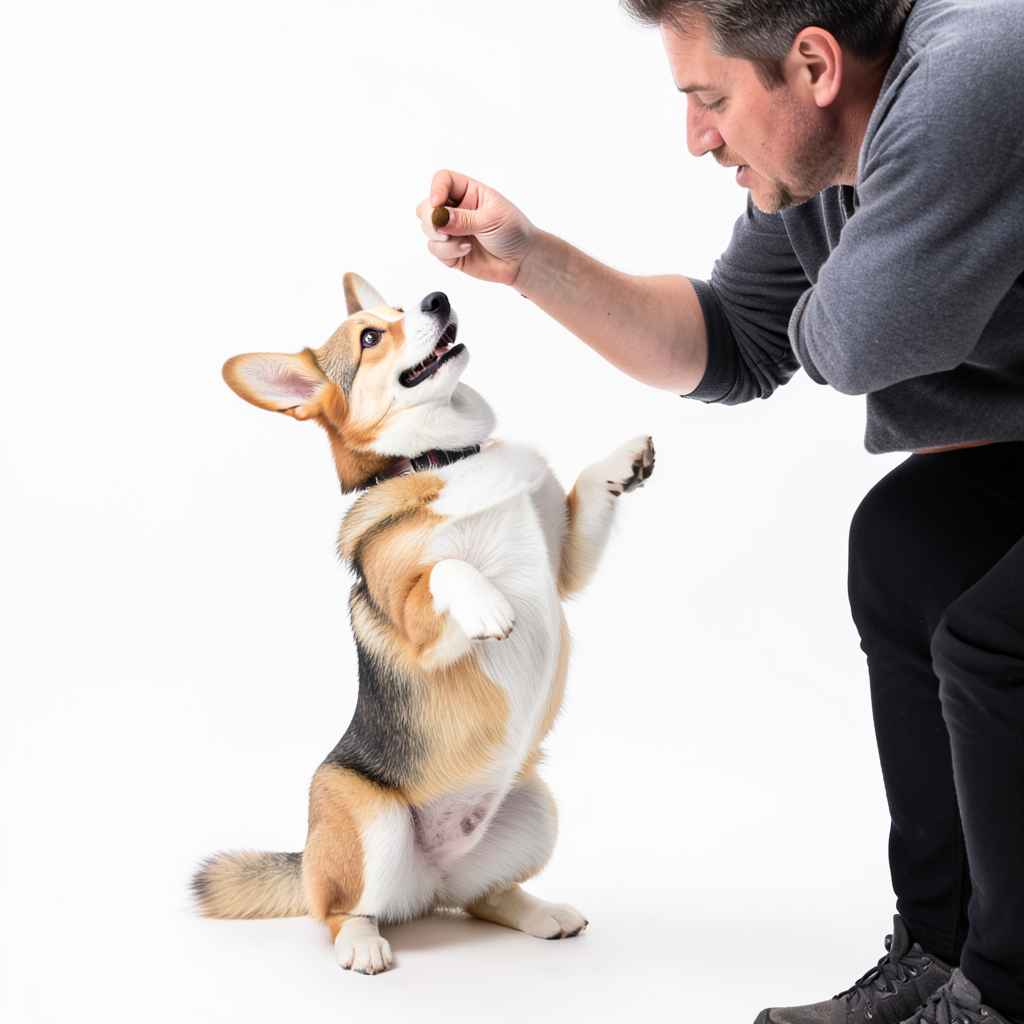
Professional Dog Trainer Tips for a Happier Dog
A professional dog trainer can do more than teach your dog basic commands. Training creates communication, trust, and a better relationship between dogs and their owners. Whether you have a playful puppy, an anxious rescue dog, or an older pet with behavioral challenges, the right training approach can make everyday life easier.
At Rob’s Dog Training, the focus is on helping dogs understand expectations while helping owners learn effective techniques. A well-trained dog is not just obedient, it is confident, comfortable, and better prepared to interact with people, pets, and new environments.
Many dog owners struggle with common issues such as barking, jumping, leash pulling, separation anxiety, and poor listening skills. These challenges often come from communication gaps rather than a lack of intelligence. With patience, consistency, and proper guidance, dogs can develop positive habits that last.
Why Professional Dog Training Matters
Every dog has a unique personality, learning style, and history. Some dogs respond quickly to basic training, while others may need specialized support to overcome fears, distractions, or unwanted behaviors.
Working with a professional dog trainer provides a structured plan based on your dog’s individual needs. Instead of using random techniques from online videos, owners receive guidance that considers the dog’s temperament, environment, and goals.
Professional training helps with:
- Better obedience and communication
- Improved leash manners
- Reduced unwanted behaviors
- Increased confidence
- Safer interactions with people and other animals
- Stronger owner-dog relationships
Training is not only about correcting problems. It is about creating a foundation where dogs know what is expected and owners know how to support their pets.
Understanding Dog Behavior and Communication
Dogs communicate differently from humans. Their body language, reactions, and habits often reveal what they are feeling. A dog that constantly barks may not simply be “bad”, it could be anxious, bored, excited, or trying to communicate a need.
A skilled dog trainer understands these signals and helps owners identify the reasons behind certain behaviors.
For example:
- Chewing may happen because of boredom or stress
- Jumping may come from excitement or attention-seeking
- Pulling on the leash may happen because a dog has not learned proper walking skills
- Fearful reactions may come from past experiences or lack of socialization
By understanding the cause behind a behavior, owners can respond more effectively. This creates long-term improvement instead of temporary fixes.
Puppy Training Creates Lifelong Habits
Early training plays an important role in a dog’s development. Puppies are constantly learning from their surroundings, and the habits they develop early often influence their adult behavior.
Puppy training can help establish:
- Basic obedience skills
- Positive social interactions
- Confidence in new situations
- Good household manners
- Healthy routines
A puppy that learns boundaries and communication early is more likely to become a well-adjusted adult dog.
However, older dogs can also learn new skills. Training is not limited to puppies. Dogs of any age can improve with the right approach and consistent practice.
Choosing the Right Dog Training Approach
Not every training method works for every dog. Effective training considers the dog’s personality, motivation, and comfort level.
Positive reinforcement training is widely used because it focuses on rewarding desired behaviors. When dogs understand that good choices lead to positive outcomes, they become more willing to participate and learn.
Successful training often includes:
- Clear commands
- Consistent expectations
- Rewards and encouragement
- Regular practice
- Patience from the owner
The goal is not to control a dog through fear. The goal is to help the dog understand, cooperate, and build confidence.
Common Reasons Owners Seek a Dog Trainer
Many families look for professional help when they notice behaviors that affect daily routines. These concerns are common and often improve with proper training.
Some of the most frequent reasons include:
Leash Pulling
Walking should be enjoyable for both dogs and owners. A dog that constantly pulls can make walks stressful and unsafe. Leash training teaches dogs how to move calmly while staying connected with their owner.
Excessive Barking
Barking is a natural behavior, but excessive barking can become frustrating. Training helps identify triggers and teaches dogs appropriate ways to respond.
Separation Anxiety
Some dogs experience stress when left alone. Training techniques can help dogs feel more secure and develop healthier independence.
Poor Recall
A reliable recall command is an important safety skill. Dogs that respond when called are easier to manage in different environments.
Building Better Habits Through Consistency
One of the biggest parts of successful dog training happens outside of training sessions. Owners play a major role in maintaining progress.
Dogs learn through repetition. Practicing commands during everyday activities reinforces lessons and helps dogs understand expectations.
Simple habits can make a difference:
- Reward good behavior immediately
- Keep commands consistent
- Avoid confusing signals
- Practice in different environments
- Make training part of daily routines
A few minutes of focused practice each day can create meaningful improvements over time.
The Value of Expert Guidance
Many owners care deeply about their dogs but feel unsure about how to handle certain behaviors. Professional guidance provides clarity and direction.
A knowledgeable trainer can help owners avoid common mistakes, understand their dog’s needs, and develop realistic training goals.
Training also strengthens the connection between dogs and their families. When owners learn how their dogs think and respond, communication becomes easier and everyday interactions become more enjoyable.
Creating a Happier Future for Your Dog
A trained dog is not simply a dog that follows commands. With the guidance of a professional dog trainer, it becomes a dog that understands its environment, builds confidence, and learns how to navigate daily experiences with better behavior.
Investing in training can improve many areas of life, including walks, family interactions, social situations, and overall safety.
At Rob’s Dog Training, the goal is to help dogs and owners succeed together through practical training methods and positive experiences. A stronger relationship begins with better communication, patience, and the right support.
If you are ready to improve your dog’s behavior and strengthen your bond, working with an experienced professional dog trainer can be the first step toward a happier, healthier partnership.
Visit robsdog to learn more about training solutions designed for your dog’s unique needs.
Related Post

Building Team Habits That Support Stronger Office Performance
Workplaces do not fall apart in dramatic moments; they usually slip through small behaviors everyone…